What Is a Level 1, Level 2, and Level 3 Chimney Inspection?
Learn how Level 1, 2, and 3 chimney inspections differ, which situations call for each, and what a camera or concealed-area evaluation involves.




Based on 500+ Reviews

Proudly American
Owned & Operated

A chimney inspection is not always the same type of evaluation. Depending on the situation, a chimney may require a basic visual check or a more detailed inspection that involves specialized equipment and access to hidden areas.
The three main levels of chimney inspections are Level 1, Level 2, and Level 3. Each level has a different purpose and is recommended based on the condition of the chimney system, changes made to the appliance, or concerns about possible damage. A professional chimney inspection helps determine which inspection level is appropriate for the chimney and its current condition.
Understanding the difference between these inspection levels helps homeowners know what type of evaluation may be needed.
A chimney system includes many components that work together, including:
Some problems can be seen from accessible areas, while others remain hidden inside the chimney.
Different inspection levels allow the evaluation to match the situation.
| Inspection Level | Main Purpose | Common Situation |
|---|---|---|
| Level 1 | Basic safety check | Routine inspection of unchanged systems |
| Level 2 | Detailed inspection with internal evaluation | Home sale, appliance changes, suspected issues |
| Level 3 | Advanced investigation of concealed areas | Serious damage or structural concerns |
A Level 1 chimney inspection is the basic inspection level used when the chimney system has been operating normally and no significant changes have occurred.
It focuses on accessible parts of the fireplace, appliance, and chimney system.
During a Level 1 inspection, the inspector typically checks:
The goal is to confirm that the system appears safe for continued use.
A Level 1 inspection is commonly performed when:
For example, a homeowner who uses the same wood-burning fireplace every year and has no changes to the system may typically need a Level 1 inspection as part of regular maintenance.
A Level 1 inspection does not involve opening concealed areas or examining parts of the chimney that are not readily accessible.
It may not identify:
If concerns are discovered during the inspection, a higher inspection level may be recommended.
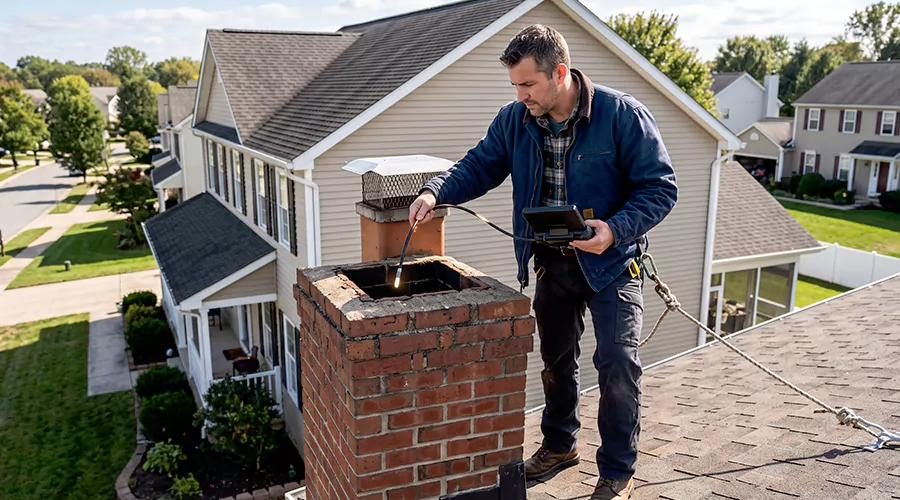
A Level 2 chimney inspection is a more detailed evaluation that includes everything in a Level 1 inspection plus an internal examination of the flue using specialized equipment, often including a camera. If the inspection identifies damage or deterioration, fireplace repair may be recommended to address related issues and restore safe operation.
This inspection provides a closer look at areas that cannot be fully evaluated during a basic inspection.
A Level 2 inspection may include:
The camera inspection can help identify:
A Level 2 inspection is commonly recommended when there has been a significant change or concern involving the chimney system.
A chimney may appear functional but have hidden issues.
A Level 2 inspection helps evaluate the condition of the chimney before a property transaction.
A Level 2 inspection may be needed when:
Changes can affect whether the existing chimney is suitable for the new equipment.
A chimney fire can damage internal components that are not visible from outside.
A Level 2 inspection helps identify:
A Level 2 inspection may be recommended if there are:
A Level 3 chimney inspection is the most extensive inspection level.
It is used when serious concerns exist and a more detailed investigation is required.
A Level 3 inspection may involve accessing concealed areas that are not visible during Level 1 or Level 2 inspections.
This can include areas behind:
A Level 3 inspection is usually recommended when there is reason to believe that a serious hidden problem exists.
Examples include:
The purpose is to determine the full extent of a problem before repairs are planned.
Because concealed areas may need to be accessed, the process can involve limited removal of building materials.
The inspector may need to:
The goal is not unnecessary removal but finding information that cannot be obtained through normal inspection methods.
| Feature | Level 1 | Level 2 | Level 3 |
|---|---|---|---|
| Basic visual inspection | Yes | Yes | Yes |
| Accessible components checked | Yes | Yes | Yes |
| Flue camera inspection | No | Usually yes | Yes |
| Hidden areas examined | No | No | Yes |
| Requires access removal | No | No | Sometimes |
| Best for routine maintenance | Yes | Sometimes | No |
| Used after major damage | Usually no | Often | Sometimes |
Inspection costs vary depending on the complexity of the evaluation.
| Inspection Type | Typical Cost Range |
|---|---|
| Level 1 inspection | $100–$250 |
| Level 2 inspection | $200–$500 |
| Level 3 inspection | $500+ |
A higher-level inspection costs more because it requires additional equipment, time, and investigation.
Homeowners usually do not select the inspection level without guidance.
The appropriate level depends on:
A basic inspection may be enough for routine maintenance, while a more detailed inspection may be necessary if problems are suspected.
Most chimney systems should be inspected at least once each year.
However, a higher-level inspection may be needed when:
Regular inspections help identify problems before they become expensive repairs.
Level 1, Level 2, and Level 3 chimney inspections provide different levels of evaluation based on the condition and situation of the chimney system.
A Level 1 inspection is a basic check for regularly used systems without changes. A Level 2 inspection provides a deeper evaluation with internal flue examination and is commonly used after changes, home purchases, or suspected issues. A Level 3 inspection is the most detailed option and investigates hidden areas when serious problems are suspected.
Choosing the correct inspection level helps ensure that chimney problems are identified properly and that repairs are based on accurate information.
A Level 1 inspection is a basic visual evaluation, while a Level 2 inspection includes a more detailed examination of the flue, often using a camera.
A Level 2 inspection is commonly recommended during a home purchase because it can identify hidden chimney problems that may not be visible during a basic inspection.
A Level 3 inspection is used when serious damage is suspected and concealed areas need to be examined.
No. Many regularly maintained systems only require routine inspections unless changes or concerns exist.
Yes. A Level 2 inspection commonly includes an internal examination of the chimney flue using specialized equipment.
The time depends on the inspection level. Basic inspections may take less time, while detailed inspections can require additional evaluation.
Learn how Level 1, 2, and 3 chimney inspections differ, which situations call for each, and what a camera or concealed-area evaluation involves.
